Spider AF /
Resources /
Articles /
Leads falsos 101: qué son, cómo ocurren y cómo evitarlos
No items found.
April 6, 2026

Leads falsos 101: qué son, cómo ocurren y cómo evitarlos

Descubre claves sobre leads falsos 101: qué son, cómo ocurren y cómo evitarlos y aplica estrategias prácticas para optimizar el rendimiento y proteger tu inversión.

In this article

01
What is a click farm?
01
What is a click farm?
01
What is a click farm?
01
What is a click farm?
01
What is a click farm?
Quick take · 30-second version

Imagine you’re chasing down a promising business lead, only to discover it’s completely fake. Or maybe your marketing campaign generates a flood of inquiries, but most turn out to be bots or uninterested prospects. These are examples of false leads—misleading or inaccurate information that wastes time, money, and trust.

False leads appear in marketing, sales, and everyday business operations, leading people down the wrong path. They can be accidental (human error) or intentional (fraud, deception, or misinformation). In business, false leads drain advertising budgets, skew analytics, and damage reputations by filling pipelines with non-existent or low-quality prospects.

Why Should You Care About False Leads?

  • Businesses lose money chasing fake customer inquiries.
  • Marketers waste ad spend on fraudulent or low-quality leads.
  • Sales teams waste time following up on prospects who never convert.
  • Everyday consumers get misled, making wrong decisions based on deceptive information.

So, how can you spot, avoid, and prevent false leads? Let’s dive in.

What Is a False (or "Fake") Lead?

Definition and Explanation

A false lead is any misleading or incorrect piece of information that suggests a promising direction but ultimately leads nowhere. It can be intentional (fraud, scams) or unintentional (mistakes, miscommunication).

How Do False Leads Mislead People?

1. Deceptive Marketing and Advertising

  • Fake leads in digital advertising trick businesses into paying for non-existent customers.
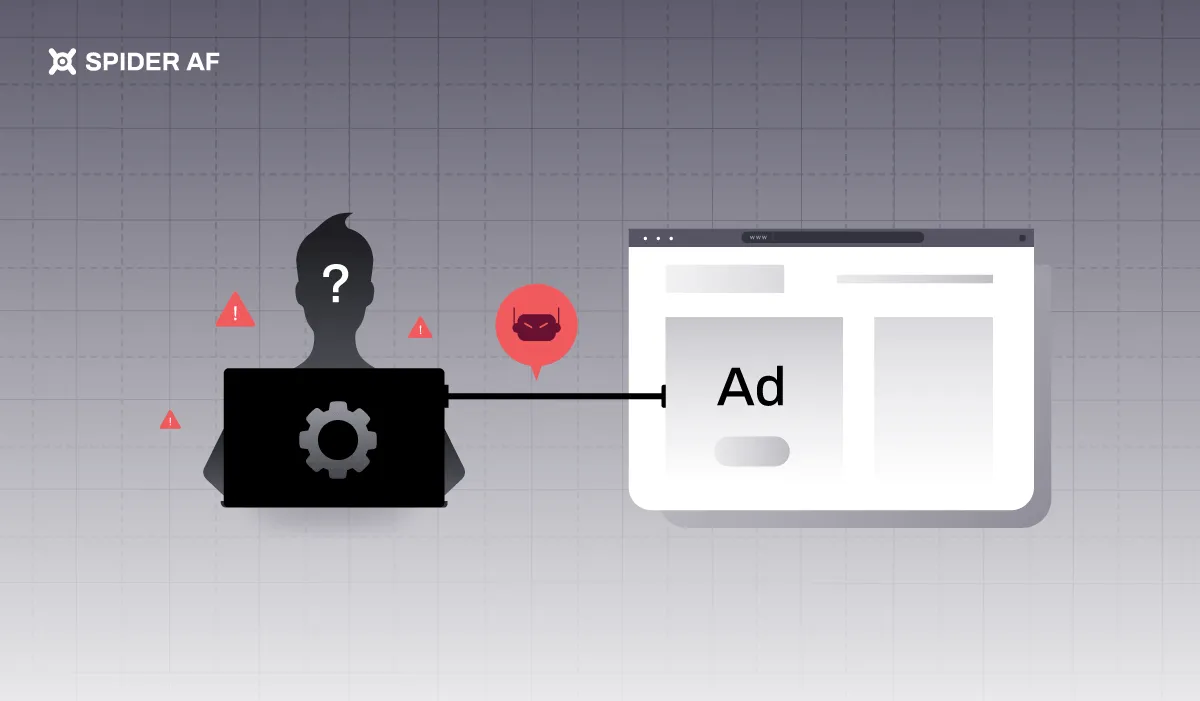
  • Fraudsters use bots or fake profiles to fill out lead forms.
  • Example: A business pays for "leads" that are just spam email addresses.

2. Misleading Business Leads

  • Sales teams waste time on fake prospects who have no intention of buying.
  • Competitors or scammers might submit fake inquiries to waste resources.
  • Example: A form submission comes from a competitor posing as a customer.

3. Everyday Misinterpretations

  • People misinterpret information, leading to wrong decisions in business and daily life.
  • Example: A company invests in a new product based on incorrect market research.

Common Causes of False Leads

Human Error vs. Intentional Deception

TypeExamples
Human ErrorMisheard information, typos, miscommunication
Intentional DeceptionScams, fraud, misleading ads, clickbait

False Leads in Digital Advertising and Lead Generation

  • Online ad fraud creates fake customer leads to trick businesses.
  • Bots and fake users fill out lead forms, wasting ad budgets.
  • Solution: Use tools like SpiderAF to detect false leads and prevent fraud.

The Impact of False Leads on Businesses and Individuals

1. Wasted Time and Resources

  • Marketers and sales teams chase dead ends.
  • Employees waste hours following up on fake leads.

2. Financial and Reputational Damage

  • Businesses lose money paying for fake leads.
  • Customers lose trust if companies promote false information.

3. Consequences for Marketing and Advertising Campaigns

  • Lower ROI: Businesses waste ad spend on non-existent leads.
  • Skewed Analytics: Fake leads distort marketing performance data.

How to Identify and Avoid False Leads

Red Flags to Watch For

  • ✅ Leads with suspicious email addresses or phone numbers (random characters, fake domain).
  • ✅ Unusual IP locations (bots from foreign servers).
  • Repeated patterns (same phone number or name used multiple times).

Tools and Strategies to Detect False Leads

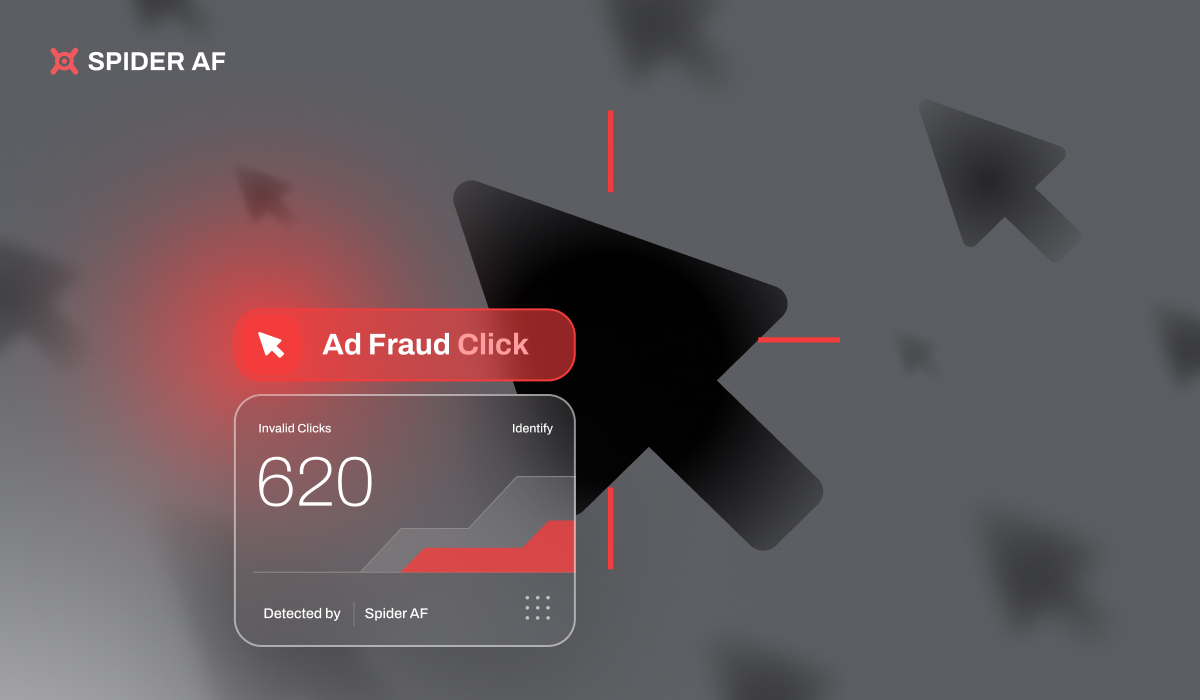
  • SpiderAF’s Fake Lead Protection can detect various forms of false leads, including human and bot-generated leads.
  • Cross-check customer details with email verification tools.

Best Practices for Preventing Lead Fraud

  • Verify every lead before following up.
  • Use fraud detection tools to filter out fake leads.
  • Educate teams about common scams and misleading tactics.

Learn more: Stop Bots in Their Tracks: How to Prevent Bots from Submitting Forms

Conclusion: Why Recognizing False Leads Matters

  • 🔹 False leads waste time, money, and resources.
  • 🔹 They appear in marketing, sales, and everyday business operations.
  • 🔹 Tools like SpiderAF’s Fake Lead Protection help detect and eliminate false leads.

Don't let false leads drain your budget! Protect your business with SpiderAF’s Fake Lead Protection. Try it today to stop fake leads before they cost you time and money. 🚀

FREE SCAN

See your account's invalid traffic in 24 hours.

Spider AF will quantify exactly how much of your last 30 days of paid spend went to bots and click farms.

No credit card
1-line install
Cancel any time
Or book a 20-min demo
FAQ

People also ask.

Q 01 Are click farms illegal? +
In most jurisdictions, click farms violate ad-network terms of service and consumer-protection laws — but enforcement is patchy and cross-border. The FTC has taken action against fake-engagement operations, and Japan's METI has issued guidance treating fake reviews and bot traffic as deceptive practices. The practical reality: legal action is slow; technical blocking is fast.
Q 02 How is a click farm different from a botnet? +
Click farms typically use real humans (or human-supervised devices) to evade behavioral detection — they pass CAPTCHAs, mimic mouse movement, even simulate purchase journeys. Botnets are fully automated and easier to fingerprint. Modern fraud usually blends both: bots for volume, human "supervisors" for the high-value clicks.
Q 03 Can Google Ads or Meta detect click farms on their own? +
Both networks credit obviously-invalid clicks, but their detection runs on aggregated, post-hoc statistical signals — they refund days or weeks later. By then, your bidding algorithms have already optimized toward the polluted data. Independent, real-time detection at the click layer is what closes the loop.
Q 04 Will blocking click-farm traffic hurt my reach? +
No. Blocking invalid clicks only removes traffic that was never going to convert. The downstream effect is usually the opposite — your bidding model gets cleaner training signal and starts spending more on audiences that actually convert.
Q 05 How fast can Spider AF block click-farm traffic? +
Sub-200ms detection at the click event, with auto-sync to Google, Meta, TikTok, and Microsoft exclusion lists in seconds. Most accounts see meaningful blocking within 24 hours of installing the tag.

Leads falsos 101: qué son, cómo ocurren y cómo evitarlos

Descubre claves sobre leads falsos 101: qué son, cómo ocurren y cómo evitarlos y aplica estrategias prácticas para optimizar el rendimiento y proteger tu inversión.
Tabla de contenido

Imagine you’re chasing down a promising business lead, only to discover it’s completely fake. Or maybe your marketing campaign generates a flood of inquiries, but most turn out to be bots or uninterested prospects. These are examples of false leads—misleading or inaccurate information that wastes time, money, and trust.

False leads appear in marketing, sales, and everyday business operations, leading people down the wrong path. They can be accidental (human error) or intentional (fraud, deception, or misinformation). In business, false leads drain advertising budgets, skew analytics, and damage reputations by filling pipelines with non-existent or low-quality prospects.

Why Should You Care About False Leads?

  • Businesses lose money chasing fake customer inquiries.
  • Marketers waste ad spend on fraudulent or low-quality leads.
  • Sales teams waste time following up on prospects who never convert.
  • Everyday consumers get misled, making wrong decisions based on deceptive information.

So, how can you spot, avoid, and prevent false leads? Let’s dive in.

What Is a False (or "Fake") Lead?

Definition and Explanation

A false lead is any misleading or incorrect piece of information that suggests a promising direction but ultimately leads nowhere. It can be intentional (fraud, scams) or unintentional (mistakes, miscommunication).

How Do False Leads Mislead People?

1. Deceptive Marketing and Advertising

  • Fake leads in digital advertising trick businesses into paying for non-existent customers.
  • Fraudsters use bots or fake profiles to fill out lead forms.
  • Example: A business pays for "leads" that are just spam email addresses.

2. Misleading Business Leads

  • Sales teams waste time on fake prospects who have no intention of buying.
  • Competitors or scammers might submit fake inquiries to waste resources.
  • Example: A form submission comes from a competitor posing as a customer.

3. Everyday Misinterpretations

  • People misinterpret information, leading to wrong decisions in business and daily life.
  • Example: A company invests in a new product based on incorrect market research.

Common Causes of False Leads

Human Error vs. Intentional Deception

TypeExamples
Human ErrorMisheard information, typos, miscommunication
Intentional DeceptionScams, fraud, misleading ads, clickbait

False Leads in Digital Advertising and Lead Generation

  • Online ad fraud creates fake customer leads to trick businesses.
  • Bots and fake users fill out lead forms, wasting ad budgets.
  • Solution: Use tools like SpiderAF to detect false leads and prevent fraud.

The Impact of False Leads on Businesses and Individuals

1. Wasted Time and Resources

  • Marketers and sales teams chase dead ends.
  • Employees waste hours following up on fake leads.

2. Financial and Reputational Damage

  • Businesses lose money paying for fake leads.
  • Customers lose trust if companies promote false information.

3. Consequences for Marketing and Advertising Campaigns

  • Lower ROI: Businesses waste ad spend on non-existent leads.
  • Skewed Analytics: Fake leads distort marketing performance data.

How to Identify and Avoid False Leads

Red Flags to Watch For

  • ✅ Leads with suspicious email addresses or phone numbers (random characters, fake domain).
  • ✅ Unusual IP locations (bots from foreign servers).
  • Repeated patterns (same phone number or name used multiple times).

Tools and Strategies to Detect False Leads

  • SpiderAF’s Fake Lead Protection can detect various forms of false leads, including human and bot-generated leads.
  • Cross-check customer details with email verification tools.

Best Practices for Preventing Lead Fraud

  • Verify every lead before following up.
  • Use fraud detection tools to filter out fake leads.
  • Educate teams about common scams and misleading tactics.

Learn more: Stop Bots in Their Tracks: How to Prevent Bots from Submitting Forms

Conclusion: Why Recognizing False Leads Matters

  • 🔹 False leads waste time, money, and resources.
  • 🔹 They appear in marketing, sales, and everyday business operations.
  • 🔹 Tools like SpiderAF’s Fake Lead Protection help detect and eliminate false leads.

Don't let false leads drain your budget! Protect your business with SpiderAF’s Fake Lead Protection. Try it today to stop fake leads before they cost you time and money. 🚀

SpiderAF
アドフラウド
Laboratorios Spider